Make your 2X MATCHED gift today!
This week only: Every $1 will be matched with $2 to enable women worldwide.


This week only: Every $1 will be matched with $2 to enable women worldwide.
Posted on 01/13/2026
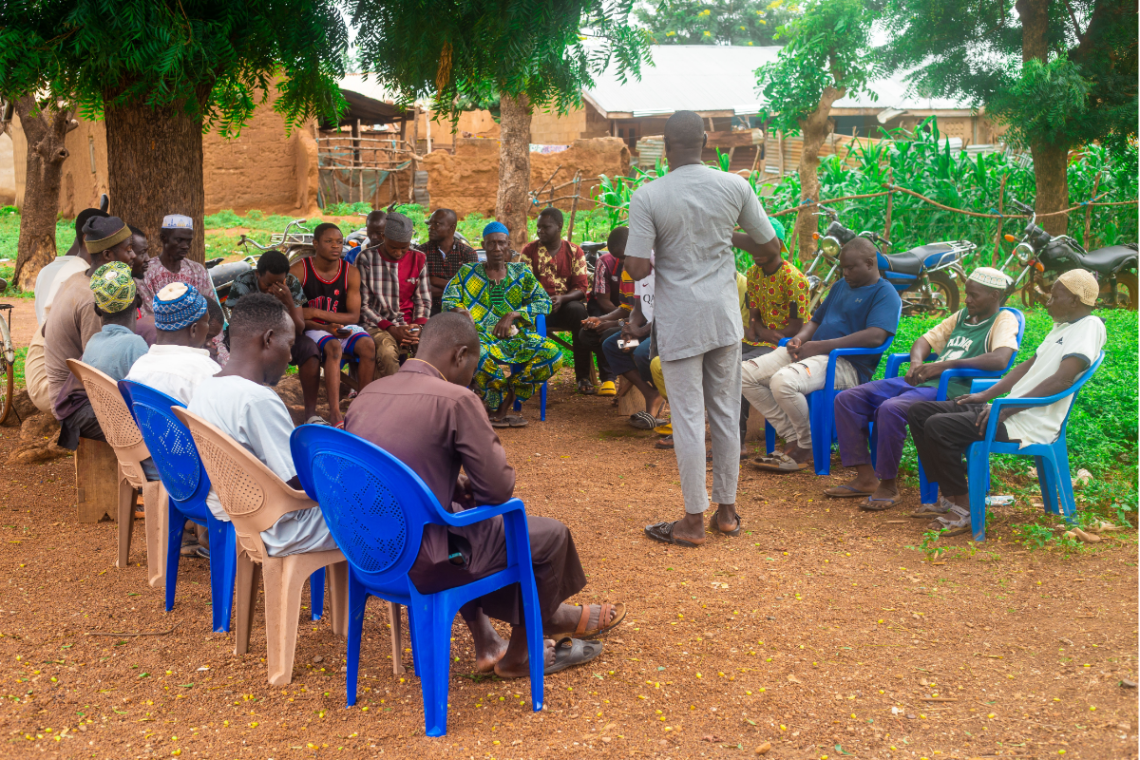
In the small farming communities of northern Ghana and across the dusty villages of Kano State, Nigeria, something remarkable is happening. Husbands and wives, who were once worlds apart in decision-making, are beginning to plan, save, and dream together.
It started with a simple idea: that with just $10, couples could ignite a spark powerful enough to transform their families.
That spark is now catching fire.
Explore our Case Study that shares more details.
Lighting the Spark
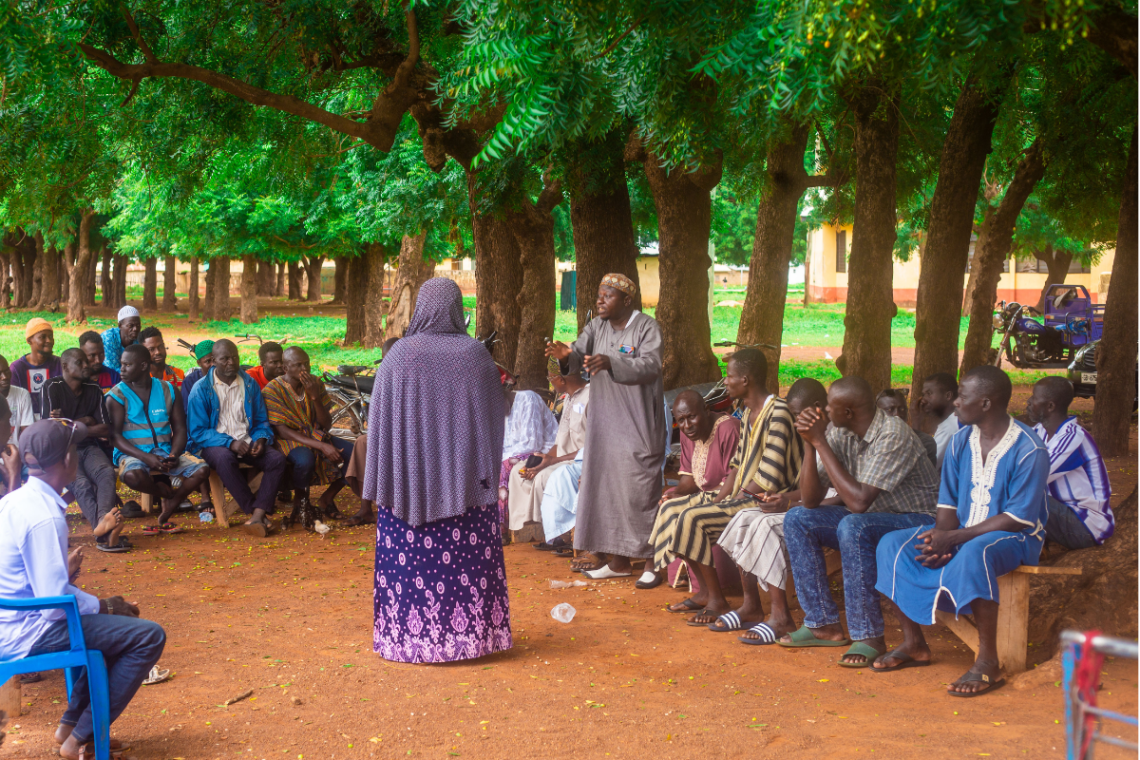
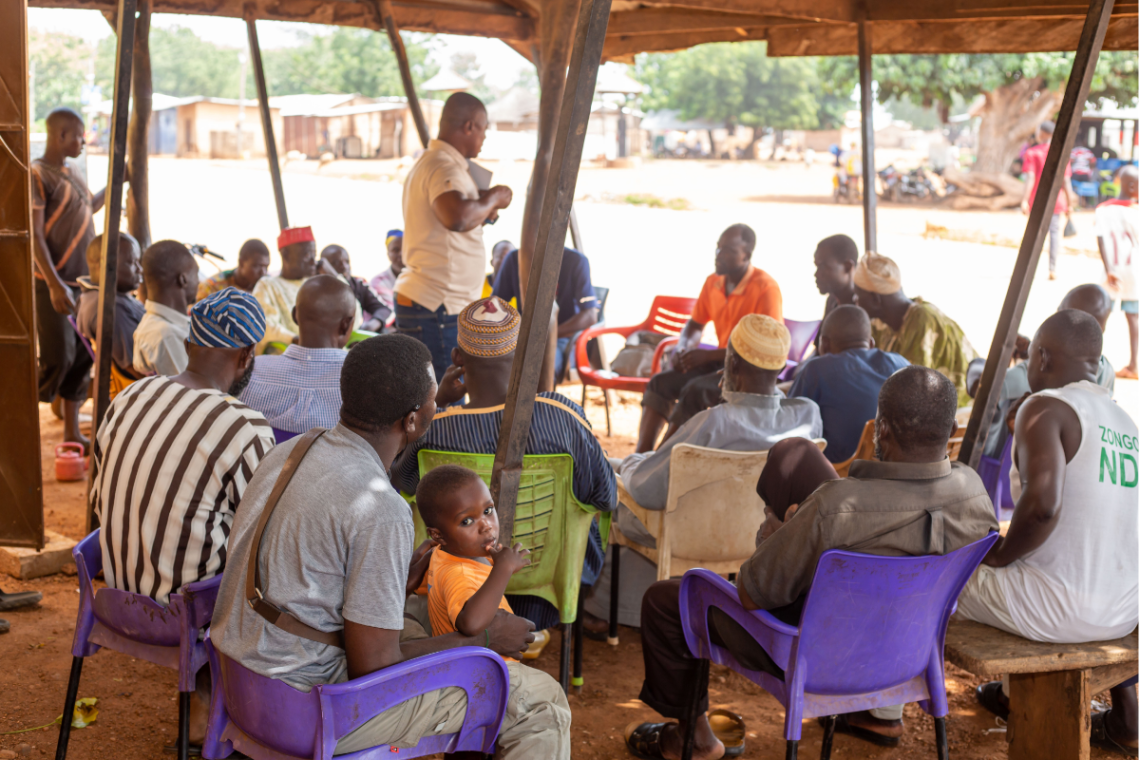
The $10 Spark Initiative was born out of the belief that real change begins at home. The project invites men and women to sit down together in intra-household dialogues (IHDs), guided by trained facilitators, to talk about what matters most: money, chores, parenting, and partnership.
These aren’t easy conversations. In communities where cultural and religious traditions often define men as the sole decision-makers, even discussing shared responsibilities can feel radical.
But the spark is simple: when opportunities are created to have hard conversations in a safe space, couples begin to talk and co-create new ways forward.
Men as Allies for Change
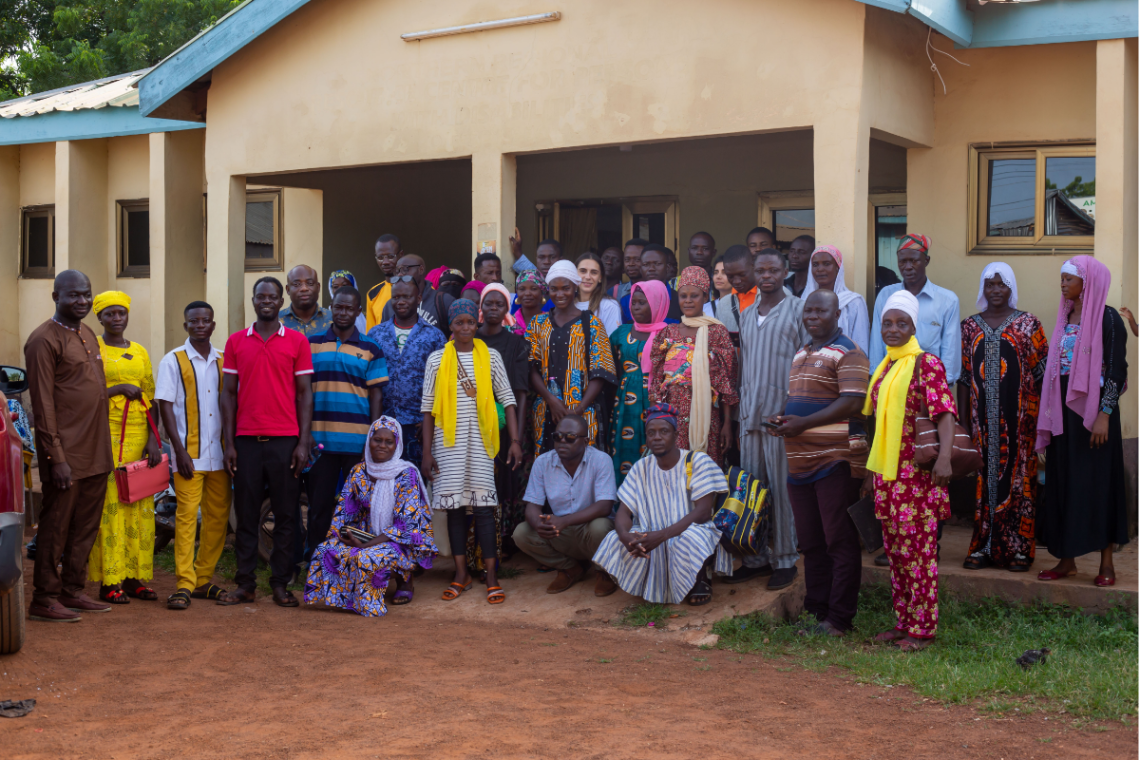
So far, 205 community-based facilitators (CBFs) have been deployed across 125 communities in Ghana and Nigeria. They’ve engaged nearly 25,000 men — farmers, traders, and community leaders — as male champions for gender equality and stronger families.
Many of these men had never before been asked what they thought about sharing chores or joint financial planning. Some were unsure. Some were afraid of being mocked by their peers. But through the dialogues, they began to see that supporting their wives wasn’t a loss of power at all but that it was an investment in the future.
As one participant shared,
“I used to think helping my wife in the kitchen would make me weak. Now, I see it makes us both stronger.”
That shift, from fear to pride, is the true spark of transformation.
The Power of Small Change
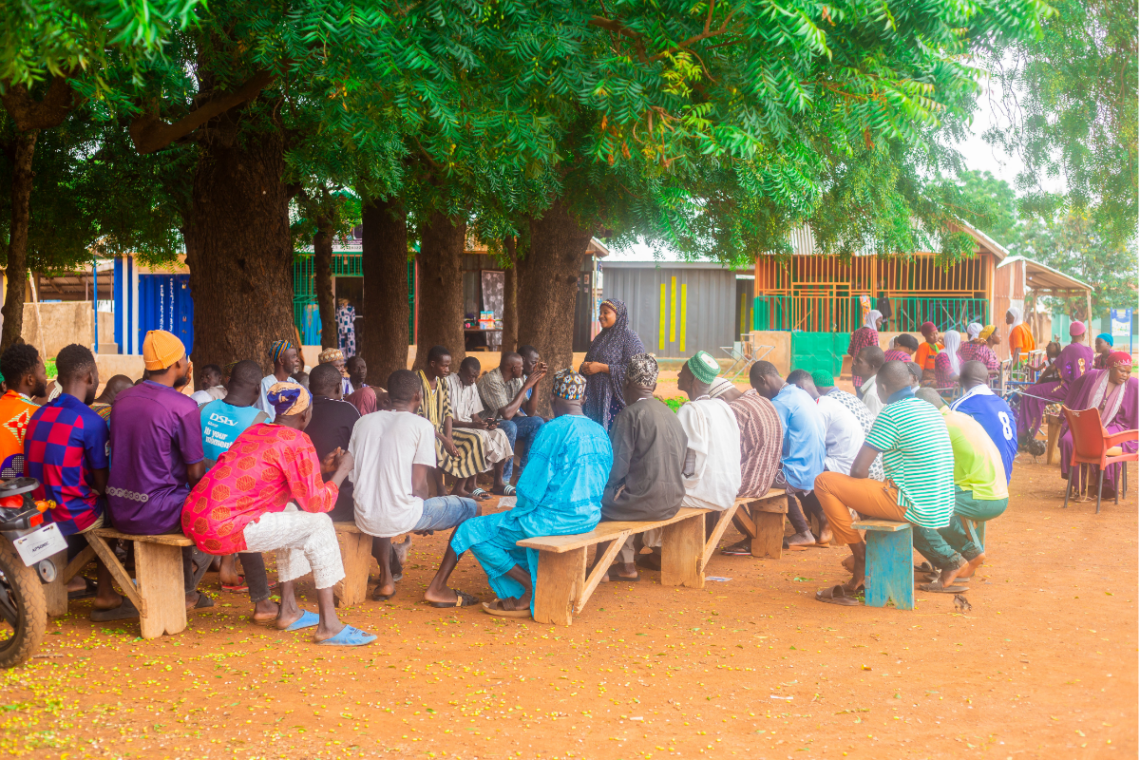
During the dialogues, couples are encouraged to make a small financial contribution to start a household emergency fund. At first, it feels symbolic. But over time, those small contributions grow, not only in amount, but in meaning. They represent trust, teamwork, and the start of a shared vision.
One couple from Nwogu, Ghana, recalls how they used to fight over food money. Now, they plan their expenses together, save a little each week, and even help other couples in their community learn to do the same.
“We used to argue every day,” the wife said. “Now, we sit down and decide things together. I have my own small business, and my husband supports me. We feel like partners for the first time.”
Change Did Not Come Easily or Quickly
Change did not come easily. In the early days, some communities were suspicious. Rumors spread that the project aimed to “change culture”. Others worried that women’s empowerment would lead to conflict in homes.
But with time, and most importantly with patience, trust was built. Traditional and religious leaders were engaged from the start, helping to explain that the dialogues were not about challenging culture, but strengthening families.
Once communities began to see results like happier homes, fewer arguments, shared savings, their attitudes shifted.
Dialogue became not a threat, but a source of peace.
Different Homes, Shared Hopes
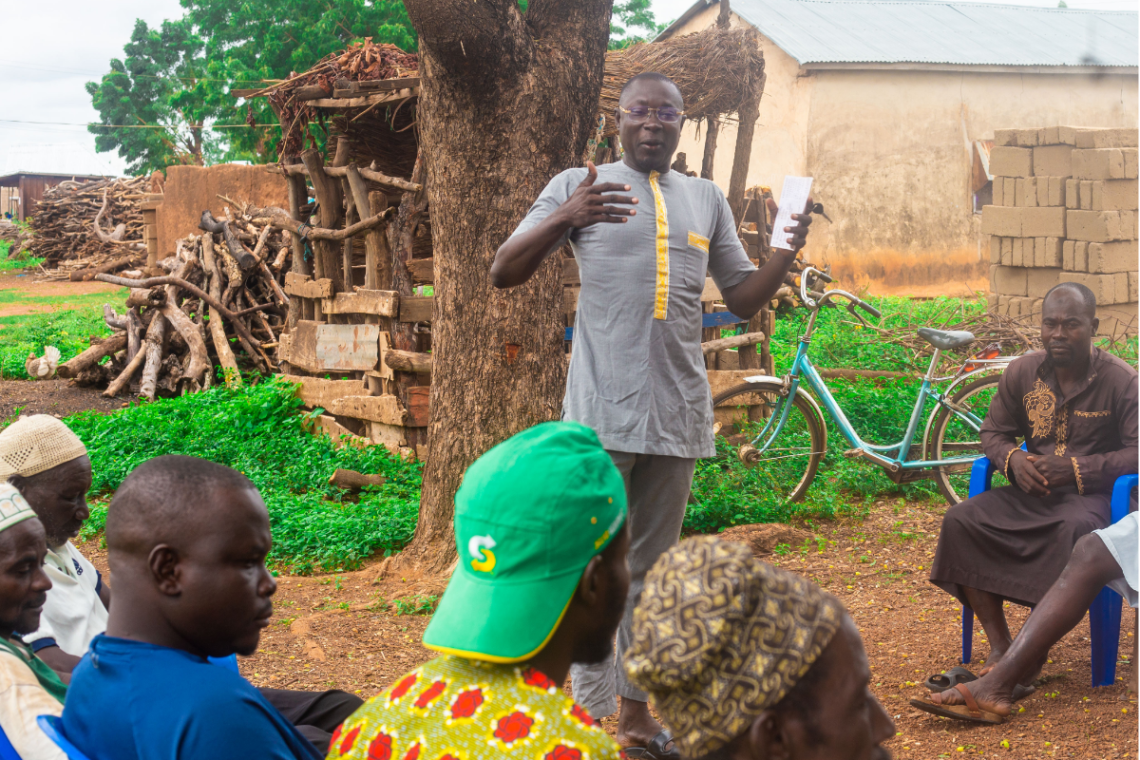
In polygamous households, the facilitators had to move carefully. Co-wives often had different needs and expectations, and discussions around money could get complicated. Facilitators worked with sensitivity, even sometimes hosting dialogues in the senior wife’s home, or helping families decide together whose name would appear on a shared mobile money account.
In monogamous families, the conversations were more straightforward. Couples often reported stronger bonds, more transparent finances, and improved emotional closeness after just a few sessions.
Across all households, one thing was clear: when families talk, they thrive.
What We’ve Learned
The $10 Spark Initiative is more than a project — it’s a movement that shows how small, community-led actions can lead to noticeable change.
Key lessons have emerged:
And perhaps most importantly — lasting empowerment starts with listening.
A Spark Becomes a Flame
At its heart, the $10 Spark is about possibility. The possibility that a simple conversation can rebuild trust, create shared financial responsibility , and that a man’s helping hand can light the way to equality.
As one male champion in Kano put it, “I thought I was helping my wife. Now I see, I was helping my family.”
And that’s the beauty of the $10 Spark: it reminds us that big change often begins with the smallest spark, and that when families rise together, communities thrive together.
A Model worth Spreading
From the dusty fields of northern Ghana to the bustling streets of Kano, the $10 Spark is more than just a project, it’s a movement.
It’s about giving men and women the tools to build stronger partnerships, one conversation at a time.
As one facilitator put it, “We are not changing culture. We are helping families thrive within it.”
And sometimes, all it takes is a $10 Spark to ignite a lifetime of transformation.


