Make your 2X MATCHED gift today!
This week only: Every $1 will be matched with $2 to enable women worldwide.


This week only: Every $1 will be matched with $2 to enable women worldwide.
Posted on 06/24/2026
What We Are Learning About Pre-Investment Technical Assistance
The Cycle Preventing Cooperatives From Growth
Across agricultural markets, cooperatives (coops) are often expected to play a central role in improving farmer livelihoods. They aggregate production, link smallholder farmers with formal markets, and help increase income.
A challenging cycle is occurring that stunts a coop’s potential.
First, coops are expected to grow but lack appropriate financing to strengthen operations and expand services to members.
Second, formal lenders often view agricultural coops as high-risk borrowers due to the volatility of commodity prices, coops’ inconsistent financial reporting, and their lack of collateral and assets.
Third, coops are at the mercy of an unstable value chain ecosystem. Coop leaders are forced to react to crises instead of making plans. As external factors continue to impact prices and farm health, leaders lack the sense of control needed to consider long-term economic growth options.
In order to truly support the growth of coops and equip its leaders with the right training, Grameen identified these questions and opportunities:
(i) How can coops gain greater access to finance?
(ii) Can a tailored pre-investment technical assistance (TA) help them become investment-ready?
Pre-investment TA Is Often Overlooked
Pre-investment TA is often overlooked within the larger impact investment landscape, particularly regarding the creation of diverse and inclusive pipelines.
Grameen’s expertise shows that a loan alone is not enough for micro, small, and medium enterprises (MSMEs) to grow. TA must be integrated into all capital allocation for MSMEs. This approach is essential for cultivating a pipeline of MSMEs capable of serving a broader rural clientele.
Rural communities require a specialized set of services that only these MSMEs can provide due to their local integration.
Enabling coops and their leaders with the right TA will help them navigate uncertainty and focus on growth.
Coops & Their Leaders Navigate Uncertainty
In addition to enhancing technical and financial skills, Grameen recognized that many coops operate in significantly uncertain environments. Commodity prices fluctuate, weather patterns are unpredictable, and market opportunities can be difficult to assess.
Given these uncertainties, coop leaders may hesitate to pursue growth investments, despite the opportunity existing. Many coop leaders have taken out loans in the past, but because the pathway from investment to return is often unclear, leaders choose not to seek funding again.
Pre-Investment TA Helps Leaders Plan
Pre-investment TA can help coops in assessing their operations, identifying market opportunities, prioritizing investments, and developing realistic growth strategies. TA can improve both investment readiness and coop autonomy.
The right TA allows leaders to feel assured in their ability to influence outcomes, make informed decisions about financing, and plan for the future.
Grameen-Supported Coops Are Securing Loans
Currently, one in five participating coops has successfully secured formal loans exceeding $12,400. In addition, most recently in June 2026, another coop applied for an $81,000 loan with Landbank for working capital to procure greater volume, and requested Grameen team members to support them with the application.
After two years of implementation, valuable insights are beginning to emerge regarding the essential pre-investment TA needed for agricultural coops.
A few key characteristics of the participating coops stand out:
They secured a loan from a financial service provider (LandBank) before collaborating with Grameen, as the FSP had previously visited their office to promote their loan offerings.
Through Grameen, they received similar door-to-door visits from the government-subsidized FSP involved in this project (SB Corp).
The coop's manager demonstrates strong leadership abilities and has been an early advocate for accessing debt facilities.
Why Traditional Capacity Building Often Falls Short
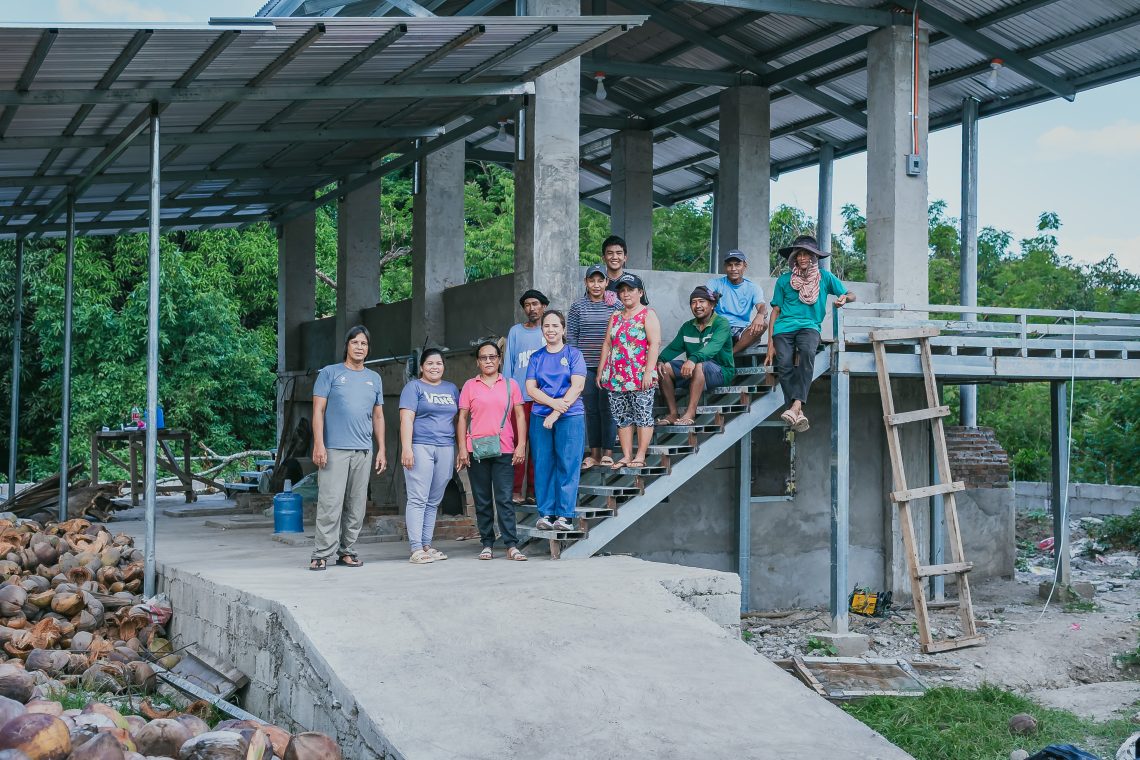
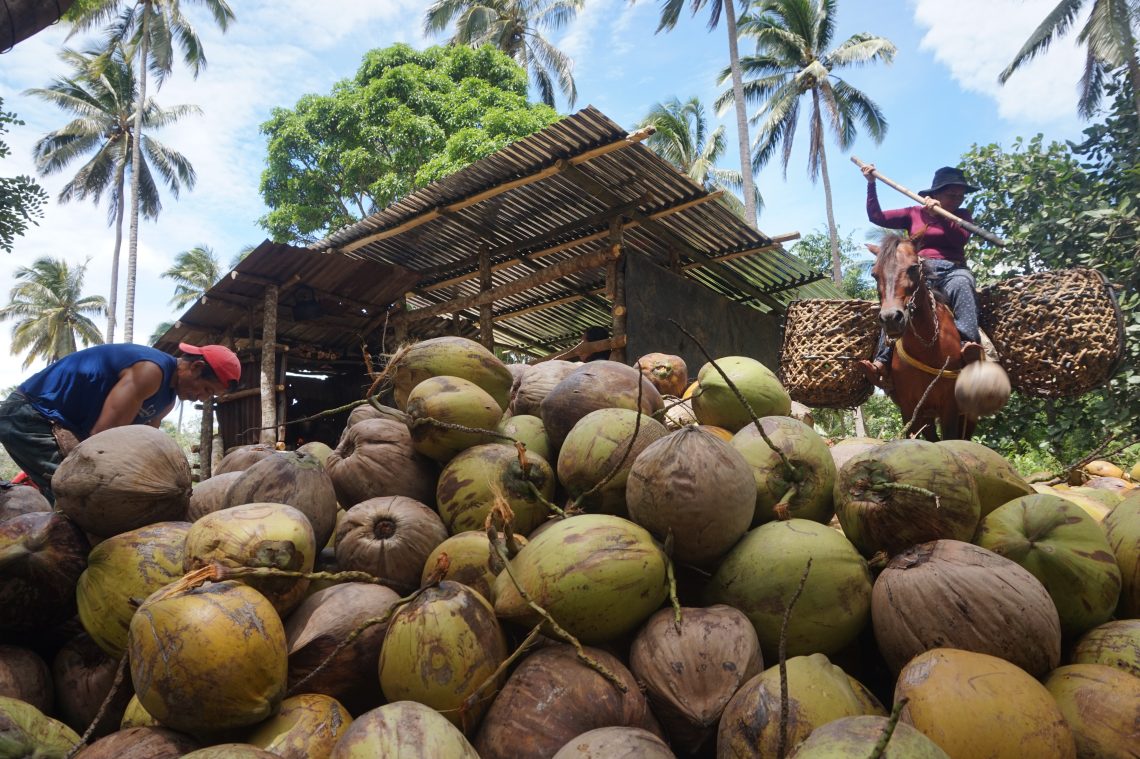
For coconut coops in Davao, Philippines, which Grameen has been supporting for over three years, copra remains the most lucrative business.
Many of these coops receive general assistance in areas like governance, leadership, and financial literacy.
While this type of TA is important and relevant, Grameen discovered that these topics often do not align closely with the coops' primary revenue-generating activities when it comes to enhancing credit readiness.
CCDP began with a practical assumption: cooperatives are more likely to become credit-ready when TA focuses on strengthening the specific product lines that drive their income.

Enterprise Selection Remains Crucial
If a pre-investment technical assistance facility (TAF) is provided through grant-funding, there is typically a short timeframe (between 6 months and 2 years). Selecting the right enterprises to work with becomes critical for success. One strong lesson that Grameen learned is that it is imperative to select enterprises where the leaders have a growth-mindset, and who believe that loans can accelerate the growth of their enterprises and the impact they can have.
Grameen’s Pre-Investment TA Curriculum
Grameen optimized a series of tools and modules for this project, and to better engage coops.
The modules designed included Digital Literacy; and Financial / Business Management.
The tools introduced by CCDP and utilized by coops included the CDP, the Decision Tree, and the Business Model Canvas.
Grameen utilized various Training Needs Assessments to develop customized modules for the cooperatives.
Additionally, Grameen engaged local Bankers Without Borders (BwB) professionals, offering their expertise pro bono to assist the cooperatives in addressing their CDP gaps through one-on-one support.

Grameen’s five pillar Sequenced Approach
Pre-investment TA works best when it is structured and provided sequentially based on the needs of the coops engaged. Grameen structured each section with a featured ‘small win’ to encourage and motivate the coops to recognize the importance of that particular step towards further growing their copra business with greater financial access. CCDP’s approach focused on five reinforcing pillars designed to help coops strengthen both institutional systems and business performance.
1. Diagnosing Constraints to Investment Readiness
The project began by strengthening and adapting tools such as Grameen’s Cooperative Development Plan (CDP) methodology to assess coop readiness. This included reviewing in detail the governance and leadership systems of each coop; financial management practices; operational performance; member services and business growth opportunities and bottlenecks including aspects surrounding product quality and pricing strategy.
This diagnostic process also helped coop leaders distinguish between external constraints they could not control and operational and business challenges they could address through improved management and investment. Through this process, they gained an understanding of their specific copra business growth constraints. For some, the challenge was governance. For others, financial systems or operational inefficiencies created barriers. For Grameen the lesson here was that pre-investment TA begins with understanding the constraints to growth and finance at the enterprise level.
2. Linking Capacity Building to Revenue Generation
Connecting training and support directly back to the CDP is critical. Rather than offering generic training, CCDP combined business management support, digital literacy, governance strengthening, and financial planning with a clear focus on improving copra operations for each coop based on their CDP findings and analysis.
This included helping coops with record keeping and financial reporting; business planning and decision-making; operational management linked to copra aggregation, trading, and processing. In practice, this shifted capacity building from compliance-oriented support to business strengthening linked to revenue generation.
This distinction was critical as it strengthened the business case narrative for the coops and supported their focus on copra as a driving revenue stream.

3. Turning Cooperative Plans Into Investable Business Cases
Another important insight is that coops often need support translating their ambitions into investable opportunities.
Under CCDP, coops developed enhanced copra business plans grounded in their realities of being a player within the nascent value chain.
These plans examined sourcing and aggregation from members; quality improvement opportunities; processing and trading operations; and market relationships.
Through the CDP process, and by leveraging Grameen’s decision-support tool, leaders were encouraged to identify areas where they could exercise greater influence over their copra business performance and to assess how targeted investments could help them achieve specific growth outcomes.
This helped shift the conversation from whether financing was available to whether a proposed investment would generate value and support future growth. This moved coop leaders from broad growth aspirations to clearer financing propositions.
Rather than asking “Can we access a loan?” coops became better positioned to answer “What investment do we need, would it generate returns, and how will we repay?”
4. Using Catalytic Capital to De-Risk Growth
Even when coops improve systems and planning, relatively small operational gaps can still prevent growth.
To address this, CCDP included catalytic grants for strategic investments linked directly to copra operations. These grants were designed not as subsidies, but as bridging mechanisms.
These facilities emboldened the coops to further envisage additional growth outlined in their CDP, and led to their engagement with the financial service provider that Grameen introduced to them.
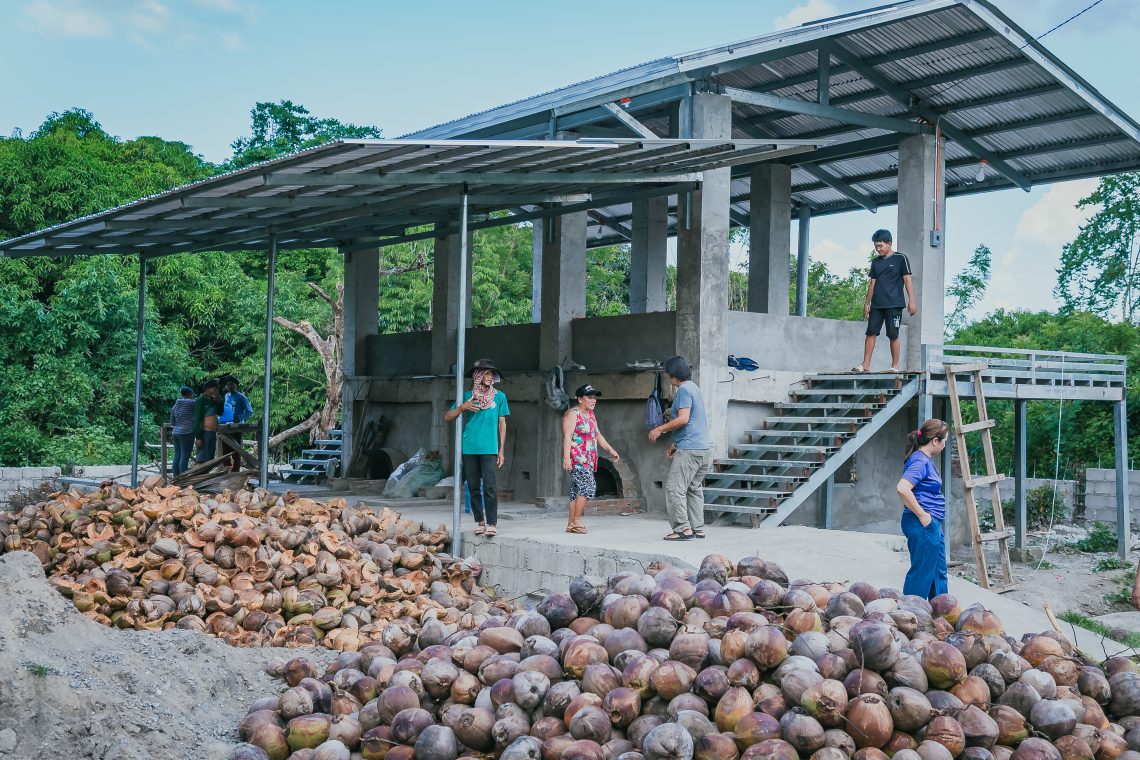
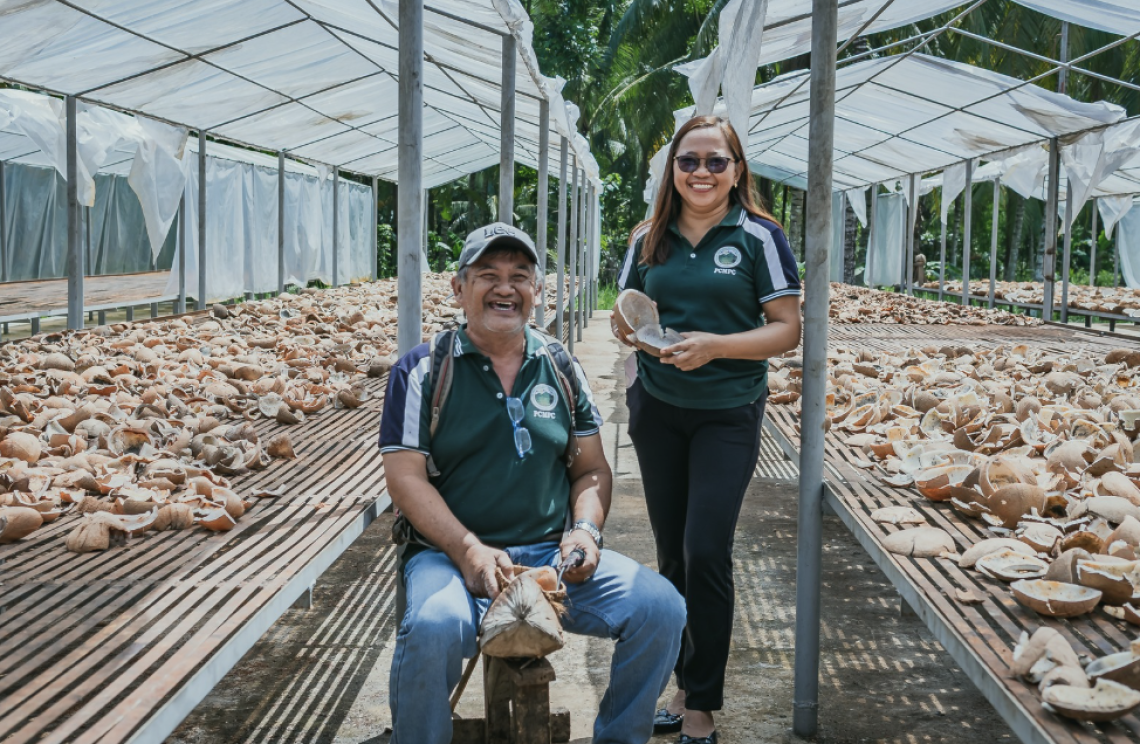
Through the grant proposal process, coop leaders were able to unlock the importance of amplifying their copra business’ growth through access to capital; it helped define their next steps. With the grant funding coops procured warehousing facilities, drying facilities and even a truck to support farm-gate pick-up and aggregation.
5. Financial Service Provider Caravan
Grameen partnered with SBCorp, a government-subsidized financial service provider, that provides 12% per annum interest rate based on diminishing balance of up to 3-year loans to MSMEs such as the coops engaged within CCDP. Longer-term loans (at least 35 years) with lower interest rates (~2% diminishing) are of interest to all of the coop.
By introducing SBCorps in a caravan-style fashion where the coops could receive a 1:1 assessment of their cash flow and understand how to manage repayments, coop leaders became more familiar with the process associated with borrowing from formal financial service providers, leading to one coop receiving a loan, and at least two other coops to reassess their interest in borrowing.
Importantly, coops that have never taken out a formal loan before prefer grant funding and cash advances (from their offtaker, like an oil mill), however, those who have had experiences taking out loans in the past, are willing to take out additional loans after undergoing Grameen’s pre-investment TA, 2-year program. The combination of prior borrowing experience in addition to the catalyst award that the program provided each coop, appears to have increased coop leaders' confidence in their ability to manage new assets and enabled a new, proactive expansion mindset for which financing mechanisms are welcomed.
Emerging Lessons From Ongoing Implementation
The Role of Coop Leaders
A key takeaway from the CCDP is that investment readiness encompasses more than just improving governance systems, financial management, and business planning.
While these capabilities are vital, cooperative leaders must also recognize that the investments they make today—over which they have more control than government grant funding—can significantly impact future business performance.
Importance of Recipient Selection
Additional insights highlight that the choice of recipients plays a critical role in achieving success. If the aim is for TA recipients to actively engage with formal financial service providers by the end of the program, the selection criteria should prioritize growth-stage enterprises and leaders who are prepared to manage aspects of a volatile environment to further their business. This includes leaders who are not entirely risk-averse and, particularly in the Philippine context, selecting businesses that have a history of taking out loans.
Future Pre-Investment TA Deployment
In the next round of pre-investment TA deployment, Grameen plans to use a tool to evaluate the personal entrepreneurial competency (PEC) of enterprise leaders from the beginning. This assessment could serve as a selection criterion, as leaders with robust PEC scores are more likely to achieve entrepreneurial success.


