Make your 2X MATCHED gift today!
This week only: Every $1 will be matched with $2 to enable women worldwide.


This week only: Every $1 will be matched with $2 to enable women worldwide.
Posted on 03/25/2026
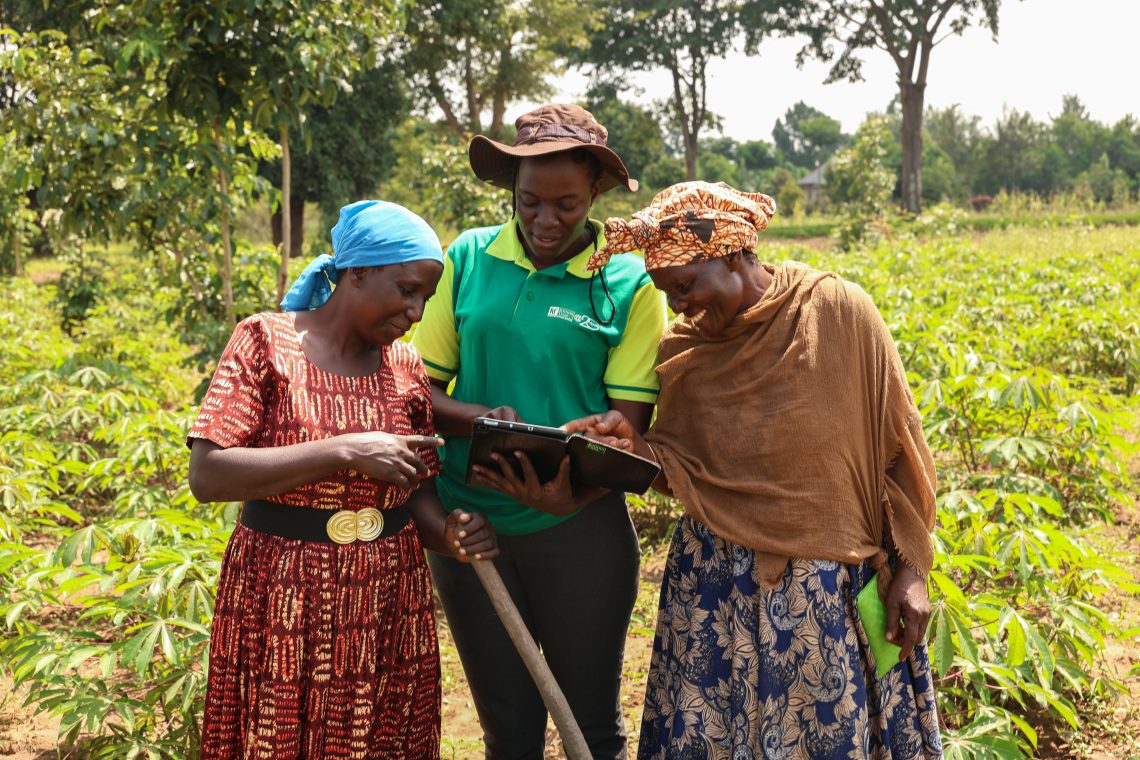
Digital advisory services (DAS) have gained significant traction as tools to support smallholder farmers with timely, relevant information. While many DAS providers are rightly focused on improving the design, usability, and effectiveness of their services for their customers and clients, policymakers and ecosystem actors are grappling with a different challenge: how to enable these solutions to scale across regions and systems.
This is where AgriPath’s two complementary knowledge products come in. The first is the Digital Advisory Services Scaling Framework, which is designed for policymakers and ecosystem enablers such as donors or investors and offers guidance on how to create or leverage the conditions for DAS to expand sustainably. In parallel, the Digital Advisory Services Toolkit takes into consideration the markers of scale as outlined in the Framework, and is designed for practitioners building and refining DAS solutions, helping ensure they are user centered, practical, and effective and, most importantly, that they leverage community-based agents (CBAs).
AgriPath is a global action-research and innovation initiative focused on unlocking the potential of DAS to support smallholder farmers in improving productivity, income, and climate resilience. Working across Africa and Asia, AgriPath combines rigorous research, behavioural insights, and real-world implementation to identify what drives the adoption of DAS and how these solutions can scale sustainably. At its core, AgriPath translates evidence into action through practical resources to help organizations design, deliver, and expand inclusive services grounded in the realities of farmers and the systems that serve them.
The two complementary knowledge products form a bridge between designing impactful solutions and scaling them sustainably, with CBAs at the center of this journey.

As DAS move beyond early-stage growth, their ability to scale depends not only on the strength of the solution itself, but on the broader environment in which they operate. Rather than focusing on product design, the Framework highlights the key elements required to support DAS scale: investing in human delivery systems such as CBAs, ensuring access to sustainable and context-appropriate financing, enabling the development and dissemination of relevant, localized content. It also emphasizes the role of ecosystem actors in shaping critical enablers such as infrastructure, policy frameworks, human capital, and market conditions.
The Framework also challenges assumptions that digital tools alone can drive adoption without human intermediaries (such as CBAs), that CBAs are readily available and easy to work with in order to reach scale, that financing DAS follows a clear or uniform pathway, and simply making advisory content available is enough to drive farmer uptake and impact.
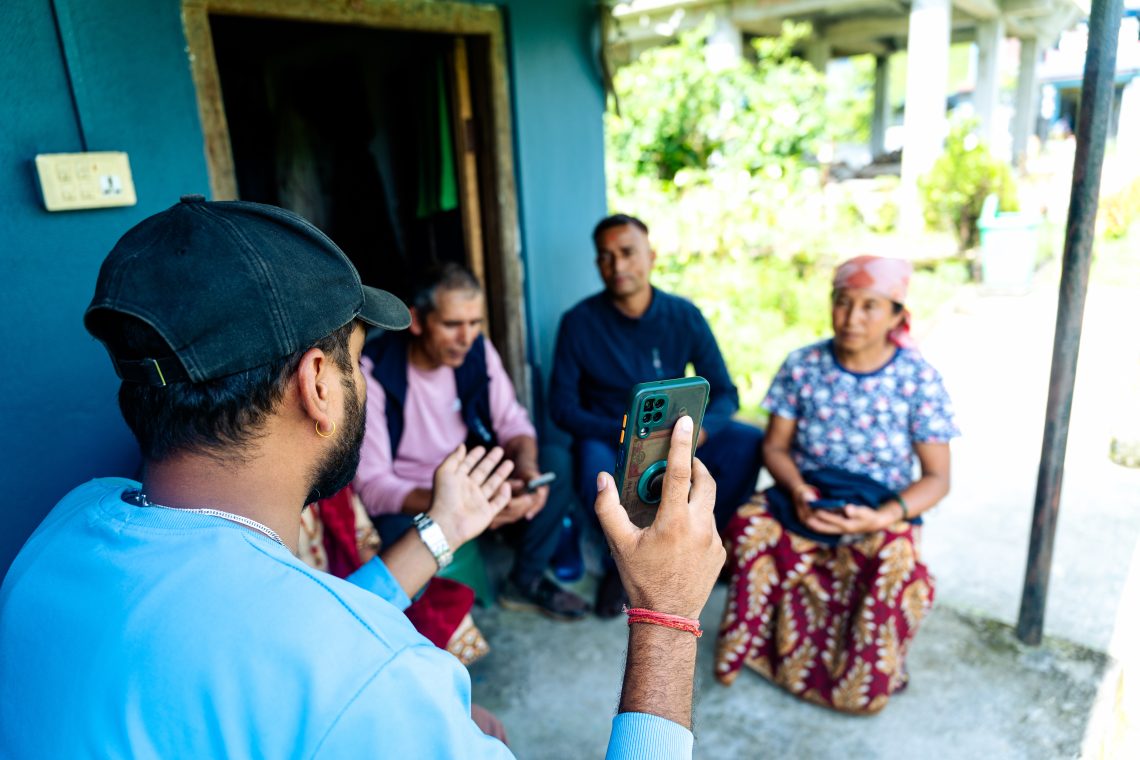
The Digital Advisory Services (DAS) Toolkit is designed to help organizations refine and grow their services for smallholder farmers so they are not only user-centered and effective, but also positioned to scale from the outset. Rather than treating scale as a later-stage consideration, the toolkit embeds it into early design and operational decisions.
At its core, the toolkit supports a DAS business to:
Identify ‘where’ to scale: The Toolkit helps organizations assess the readiness of different geographies for DAS. This includes understanding constraints such as internet connectivity, mobile phone ownership, and patterns of usage, as well as how these are likely to evolve over time. By grounding expansion decisions in these realities, DAS providers can prioritize markets where their services are more likely to gain traction.
Identify ‘what’ to scale: A key focus of the Toolkit is on building viable and scalable business models. It challenges common assumptions, such as the idea that farmers will pay directly for advisory services, and instead encourages models that bundle advisory with other value-added services that farmers are willing to pay for, such as inputs, access to market players, and credit. This supports DAS providers in moving toward more sustainable revenue streams and reducing long-term dependence on grant funding.
Identify ‘how’ to scale: The toolkit places strong emphasis on delivery models, particularly the role of CBAs. AgriPath research has found that CBAs are required for DAS to scale. It provides practical guidance and tools to support the recruitment, training, and retention of agent networks, recognizing that these human intermediaries are essential for building trust, driving adoption, and ensuring continued engagement with digital services.
The toolkit goes beyond improving service design. It helps DAS providers build models that are not only relevant and user-centered, but also viable and scalable in practice.
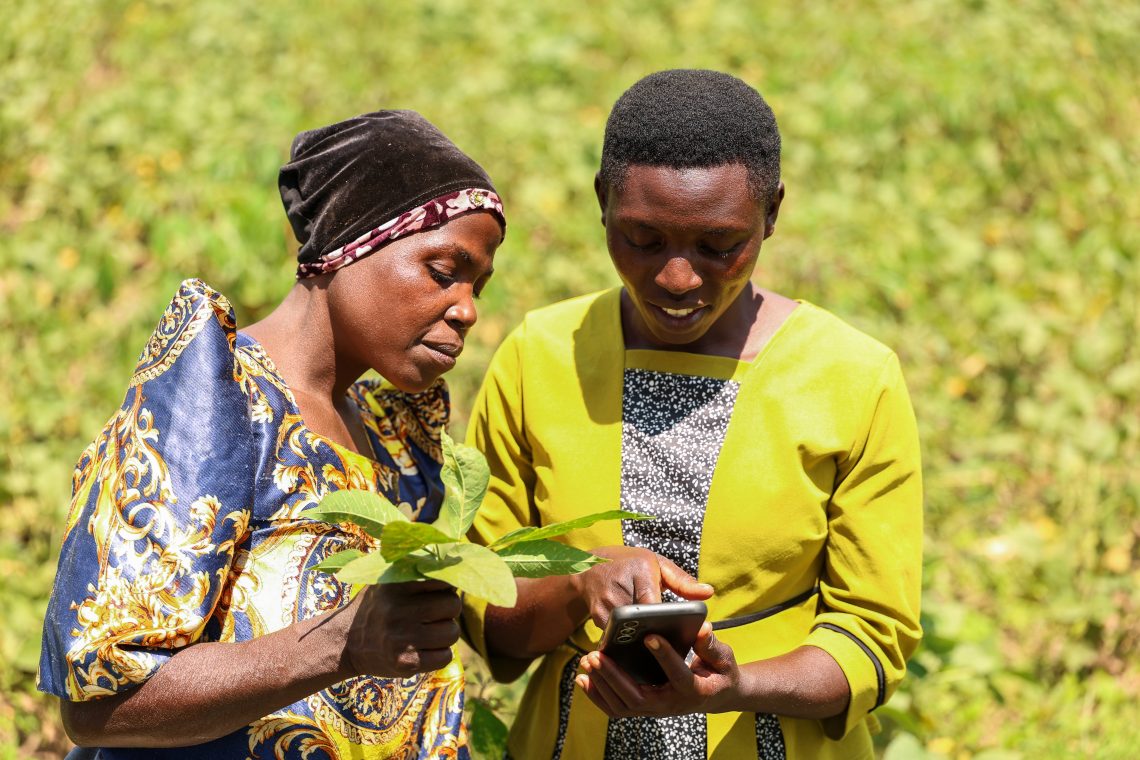
This is not simply a question of last-mile delivery. It reflects a deeper reality: farmers do not engage with advisory information in isolation. They require trusted, local intermediaries to interpret, validate, and support the application of that information, particularly for practices that involve risk, behaviour change, or upfront investment. This insight sits at the intersection of both the Scaling Framework and the Toolkit.
From a system perspective, the Scaling Framework highlights CBAs as a critical, but often underestimated, component of the enabling environment. A common misconception is that agent networks can be easily expanded as demand grows. In practice, building and sustaining a high-quality CBA network requires deliberate investment in recruitment, training, incentives, and ongoing support. Without this, even well-designed DAS struggle to achieve consistent adoption at scale.
From a provider perspective, the Toolkit translates this insight into operational decisions. It supports DAS providers in designing delivery models that integrate CBAs from the outset, rather than treating them as an add-on. This includes defining the role agents play in farmer engagement, developing structured approaches to onboarding and training, and creating systems to retain agents over time.
Importantly, CBAs are not only delivery channels. They also serve as a critical interface between farmers and digital systems. They help interpret advisory content in local contexts, support farmers in acting on that information, and provide real-time feedback on what is and is not working. This feedback loop is essential for refining services and ensuring they remain relevant as they scale.
In this way, CBAs illustrate the core connection between the two AgriPath tools. The Scaling Framework identifies them as a system-level requirement for scale, while the Toolkit shows how to operationalize them within a DAS model.

As digital advisory services continue to evolve, the question is not whether they can scale, but what it takes for them to do so in practice.
AgriPath’s work points to a clear direction: scaling DAS requires alignment between system-level enablers and service-level design. It requires moving beyond assumptions about purely digital delivery, and investing in the human infrastructure that underpins adoption.
Ultimately, the path to scale is not only digital in so much as it is relational, local, and grounded in trust.


