Make your 2X MATCHED gift today!
This week only: Every $1 will be matched with $2 to enable women worldwide.


This week only: Every $1 will be matched with $2 to enable women worldwide.
Posted on 09/29/2026
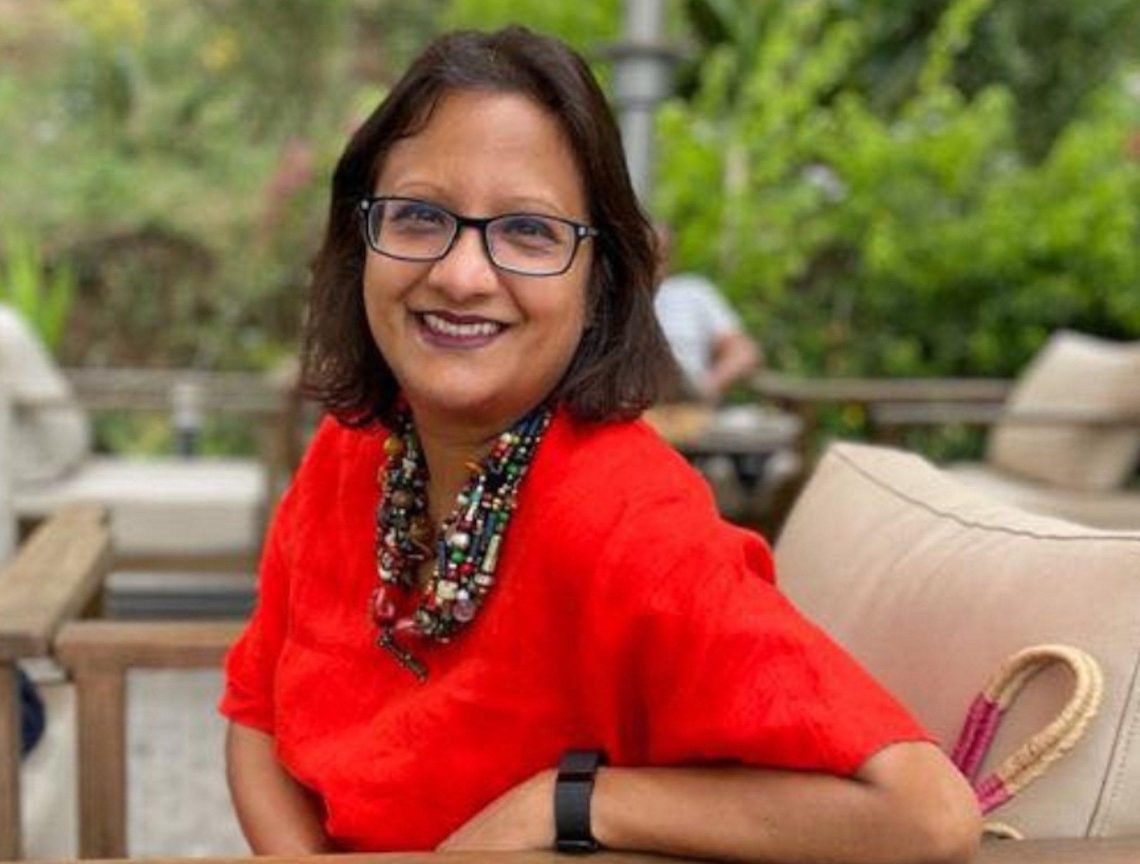
A year ago, I stepped into the role of President and CEO of Grameen Foundation USA (GFUSA) with a deep sense of gratitude and, if I’m being honest, some nervousness.
As the Director of Bankers without Borders, I knew GFUSA well. I knew our history, the incredible colleagues, our partners, and the communities we serve. But knowing an organization and leading it are two different things. This past year has challenged me to look at Grameen with fresh eyes: to celebrate what we have built, ask hard questions about where we can do better, and think carefully about what the world needs from us next.
One year later, as I celebrate a personal milestone of 19 years at GFUSA, I am more convinced than ever that one of Grameen Foundation’s greatest strengths is our willingness to keep learning, solving and being innovative.
So, What Have We Learned?
Few questions have prompted more reflection for me this year than this one: What have we actually learned from microfinance?
Microfinance changed the conversation about poverty. Expanding access to financial services challenged assumptions about who could be served and demonstrated the potential of financial tools to help people build businesses and strengthen their families.
But today, there are important questions about what microfinance can, and cannot accomplish on its own.
We should not shy away from those questions. In fact, I believe we owe it to the people we serve to ask them.
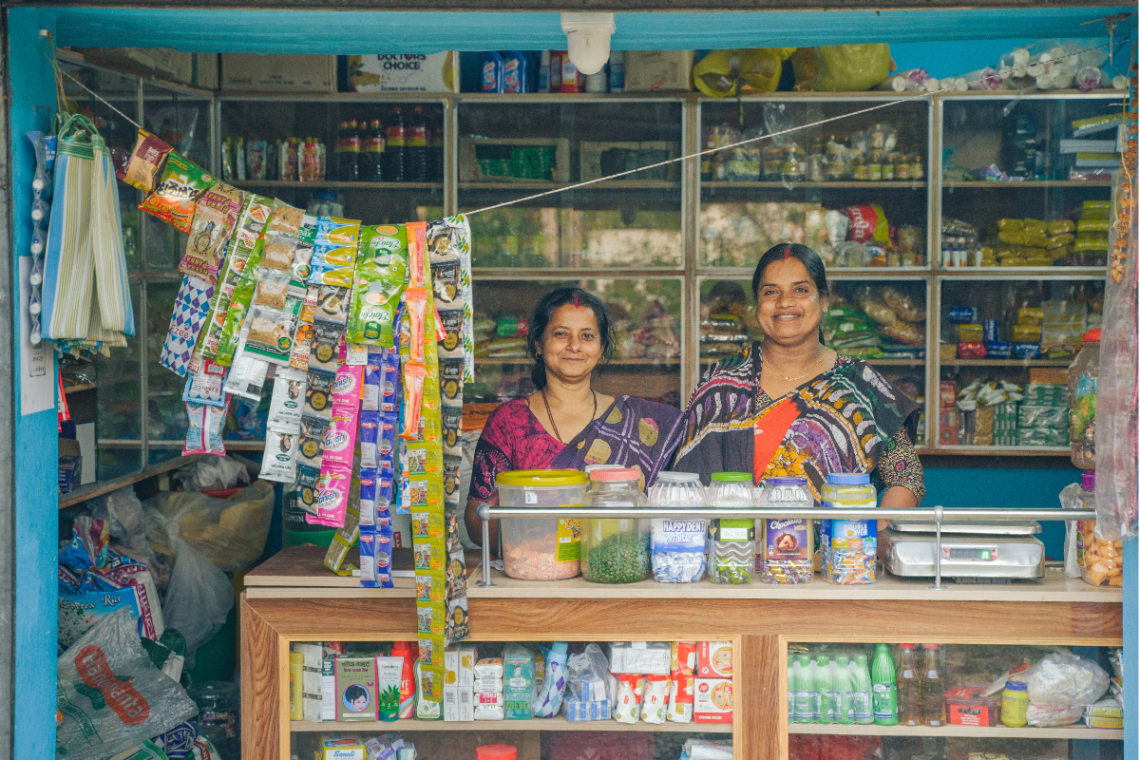
Nearly 30 years of Grameen Foundation’s experience have taught us something important: financial inclusion creates opportunity, but it does not guarantee growth. Entrepreneurs need more than capital. They need knowledge, networks, data, market connections, and trust.
I don't believe this is a rejection of microfinance but instead serves as an evolution of the lesson.
Capital matters. But capital alone is not enough.
We see this across our work. In the Philippines, technical assistance has helped 12 agricultural cooperatives strengthen financial management, digital systems, governance, and market relationships. Our work has supported 51,000+ smallholder farmers and directly led to a stronger coconut value chain.
Our work through the AgriPath Project researched 50,000 smallholder farmers (30% women) across Burkina Faso, Uganda, Tanzania, India and Nepal and learned that digital tools are most useful when paired with trusted people who can help farmers understand and use them. And Program SAFE reminds us that financial inclusion must also mean making financial services safer for the people who rely on them.
Our Sparks For Change initiative in Ghana and Nigeria offers another powerful example. More than 100,000 people participated in community dialogues, nearly 25,000 men engaged in conversations about household finances and responsibilities, and more than 12,000 couples created plans around shared financial goals. Average savings balances tripled, while the share of participants who struggled to raise emergency funds fell dramatically from 56% to 4%.
One woman shared with us, “I have my own small business and my husband supports me.” Another described how her household went from arguing every day to sitting down and making decisions together.
These are reminders that lasting economic change rarely comes from one intervention. It comes from combining financial tools with knowledge, relationships, and continued support.
What's Next For GFUSA?
This belief is at the heart of our growing alliance with Navaka and Yunus Social Business (YSB).
Together, we are bringing complementary strengths to the entrepreneur journey: Grameen Foundation’s experience in capacity building, technical assistance, digital tools, market connections, and consumer protection measures alongside Navaka and YSB’s patient, longer-term capital. The goal is to help entrepreneurs access the right combination of capital and capability needed to grow.
One of the initiatives I am most excited about is our planned Technical Assistance Facility, or TAF Exchange.Today, technical assistance is often fragmented and generic. Organizations repeatedly develop similar tools and entrepreneurs often receive training that does not address the specific challenges facing their businesses. The TAF Exchange will explore how digital technology and AI can make high-quality, personalized technical assistance more accessible, all while keeping human expertise at the center.
We will start small, testing the model with Navaka’s portfolio of SMEs and learning what works. Over time, our ambition is to create a broader ecosystem where investors, technical assistance providers, and entrepreneurs can share knowledge and resources rather than continually reinventing the wheel.
One of the things I have learned in my first year as CEO is that we do not always have all the answers. We have to be willing to build, test, listen, learn, and innovate, while centering the people, the poor women we want to keep supporting.
Although I began this last year with a little bit of trepidation about stepping into this role, I completed it with hope and a deep sense of possibility.
There is still so much work to do. Poverty is complicated. Economic systems are changing quickly. Technology creates new opportunities and new risks. AI provides a lot of possibilities. And no organization can solve these challenges alone.
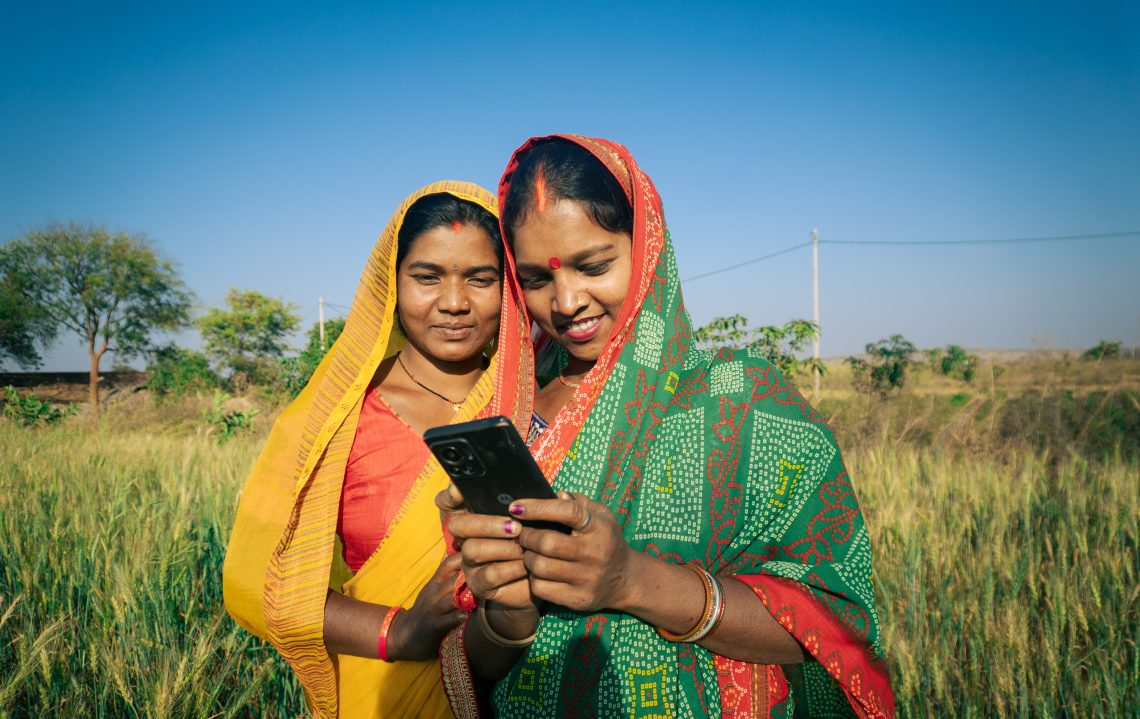
Our ambition is to help 10 million people build sustainable pathways out of poverty through entrepreneurship growth by 2030 and to demonstrate what is possible when capital and capability work together rather than being delivered in isolation.
After this first year, I feel incredibly fortunate to be part of that work.
Thank you for believing in Grameen Foundation and for being part of our next chapter.
With gratitude,
Sabrina Quaraishi
President & CEO
Grameen Foundation USA